
Supreme Court ruling means children can now claim ‘lost years’ damages
When a child suffers a life-changing injury because of clinical negligence, the consequences can be devastating for the child and their family. In the most serious cases, the harm may also shorten the child’s life expectancy.
A recent decision by the UK Supreme Court has changed an important part of how compensation is assessed in these tragic situations. The ruling confirms that children who suffer catastrophic injuries can now claim compensation for what are known as “lost years” damages.
This judgment brings the law for children into line with the position that has long applied to adults.
What are “lost years” damages?
“Lost years” damages relate to the income a person would likely have earned during the years of life they have lost because of someone else’s negligence.
For example, if a person’s life expectancy is significantly reduced due to a serious injury, the law may recognise that they have lost the opportunity to work and earn income during the years they would otherwise have lived. Compensation can be awarded to reflect that financial loss.
The purpose of damages in personal injury law is not to provide a windfall. Instead, the aim is to place the injured person, as far as possible, in the position they would have been in had the negligence not occurred.
For adults, claims for lost years have long been accepted as part of this principle. Until now, however, the law treated young children differently.
Why children were previously excluded
For more than four decades, a Court of Appeal decision effectively prevented children from claiming “lost years” damages.
It was introduced as young children did not yet have dependants, there was no financial loss that could justify this type of claim. As a result, even where a child’s life expectancy had been drastically shortened due to negligence, they could not recover damages for the income they would likely have earned during the years they had lost.
Many legal experts believed this approach was inconsistent with the broader principle of full compensation. A seriously injured child, after all, loses the same opportunity to live a full life as anyone else.
The case that changed the law
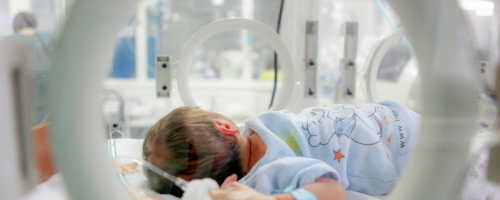
The recent Supreme Court decision arose from a tragic case involving a young girl who suffered a severe brain injury during her birth in 2015.
The injury occurred because of negligence, which the hospital accepted. hospital As a result of the damage she sustained, the child is entirely dependent on others for care, and her life expectancy has been reduced to around 29 years.
Her legal team argued that she should be able to claim compensation for the years of life she will never experience, including the earnings she might reasonably have made as an adult.
However, the earlier Court of Appeal decision still stood as legal authority. That meant the claim for lost years damages could not succeed unless the Supreme Court decided the law needed to change.
In a majority judgment, the Supreme Court ruled that children should not be prevented from claiming lost years damages simply because they do not yet have dependants.
The court emphasised a fundamental principle of compensation law: a person who has suffered harm because of negligence should be placed, as far as possible, in the position they would have been in if the wrongdoing had not occurred.
According to the court, that principle applies regardless of whether the injured person is an adult or a child.
The judges also made clear that a claim for lost years damages relates to the claimant’s own financial loss. It is not dependent on how the compensation might later be, or on whether the person would have supported others financially.
In other words, the right to compensation should not depend on whether the injured person had dependants. What matters is the loss they themselves have suffered.
Concerns about speculation
One of the key arguments raised against allowing these claims was that estimating a child’s future earnings would be too speculative.
Unlike adults, children have not yet developed careers or established earning patterns. Critics argued that courts would have little evidence to rely on when assessing what the child might have earned later in life.
The Supreme Court acknowledged this concern but concluded that uncertainty does not justify denying compensation altogether. Courts regularly assess future losses in personal injury cases, even when precise predictions are impossible.
Judges can consider a range of factors such as national earnings data and other relevant evidence to make a reasonable assessment. The aim is to reach a fair and balanced figure based on the information available.
The Supreme Court’s ruling did not determine the exact amount of compensation the child should receive. Instead, the case will return to the trial judge who will consider the evidence and decide whether lost years damages should be awarded and, if so, how much they should be.
During earlier proceedings, figures of several hundred thousand pounds were discussed, with the potential for significantly higher awards depending on the evidence presented.
Whatever the final amount, the case has already had a major impact on how similar claims will be handled in the future.
Why this decision matters
For families affected by severe birth injuries or other catastrophic harm caused by clinical negligence, the ruling represents an important shift in the law.
Children who suffer life-shortening injuries are no longer treated differently from adults when it comes to compensation for lost earning potential. The judgment recognises that the loss of future opportunities is real, even if those opportunities had not yet begun to unfold.
Supporters of the decision say it corrects a long-standing imbalance in the law. If negligence has taken away the chance of a full life, many believe it is only fair that the compensation system reflects that loss.
At the same time, some have raised concerns that the ruling could increase the overall cost of clinical negligence claims. Because many of these claims involve publicly funded healthcare providers, there are worries about the potential financial impact on the NHS.
While the wider debate about costs will no doubt continue, the Supreme Court’s decision focuses on a core legal principle: people harmed by negligence should receive fair compensation for the losses they have suffered.
For children who have experienced devastating injuries early in life, that loss includes the years they will never have the chance to live.
By confirming that lost years’ damages can apply to children as well as adults, the court has clarified the law and brought it closer to the principle of full and fair compensation.
For families facing the consequences of serious clinical negligence, the ruling will make a significant difference to the support available to them in the years ahead.
NV Legal
If you have been affected by this, please contact us for further information.
We pride ourselves on our personal, hands-on approach. When you work with us, you won’t be passed between departments or left chasing updates. You’ll deal directly with one of our experienced solicitors, who will manage your claim and recovery pathway from start to finish.
If you need support, get in touch with NV Legal. We operate on a no-win, no-fee basis; you will not be charged if your claim is unsuccessful, and your case will only be managed by a qualified solicitor from day one.
Call – 03330 112 732
Email – info@nvlegal.co.uk
Website – nvlegal.co.uk
Find us on social media – Facebook, LinkedIn
