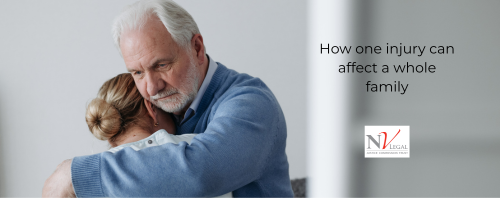
How one injury affects a whole family – Injury Awareness Week 2026
Every year, hundreds of thousands of people across the UK suffer injuries that could and should have been prevented. Some are caused by road traffic accidents. Others happen at work, in public places, or as a result of unsafe practices and negligence. While the physical injuries are often the most visible consequence, they are rarely the only consequence.
This year’s Injury Awareness Week, which begins on 22 June, focuses on the “ripple effect” of injury. Organised by the Association of Personal Injury Lawyers (APIL), the campaign highlights an important reality that is often overlooked- when one person is injured, the impact spreads far beyond the injured person themselves.
Family members, friends, colleagues, and carers frequently find their own lives changed overnight as they adapt to new responsibilities, including financial pressures and emotional challenges.
The hidden victims of injury
When someone suffers a serious injury, much of the attention understandably focuses on their recovery. Medical appointments, rehabilitation, treatment plans, and financial concerns can quickly become the priority. But behind every injured person is often a network of people providing support.
A spouse may reduce their working hours to provide care. Parents may spend countless hours attending appointments with an injured child. Adult children may suddenly find themselves caring for an injured parent. Friends may step in to help with daily tasks, transport, or emotional support. For many families, life can change in an instant.
Research and lived experiences shared through APIL’s Injury Awareness Week campaign reveal the many ways injuries affect those around the injured person. Relationships can come under strain. Family plans may be put on hold indefinitely. Careers may be interrupted. Financial security can become uncertain.
In cases involving brain injuries, family members may even find themselves adjusting to changes in their loved one’s personality, behaviour, or abilities. The emotional toll can be significant.
The financial impact on families
Many people are unprepared for the financial consequences of an injury. Loss of earnings is often the most obvious concern. If the injured person is unable to work, household income may immediately reduce. At the same time, additional expenses can begin to mount.
These may include:
- Travel costs to the hospital and rehabilitation appointments
- Prescription charges and medical expenses
- Adaptations to the home
- Specialist equipment
- Childcare costs
- Reduced earnings for family members providing care
Even injuries that are not life-changing can create unexpected financial pressures. Many carers find themselves using annual leave, taking unpaid time off, or reducing their working hours to provide support. Over time, this can place significant strain on household finances.
The emotional impact of caring for someone after an injury
Caring for a loved one after an injury can be exhausting. Many carers experience feelings of stress, anxiety, guilt and frustration, often feeling isolated and alone. They may feel responsible for keeping everything together while trying to support someone through recovery, and it’s not uncommon for carers to neglect their own well-being. They may stop socialising, give up hobbies, or struggle to find time for themselves. Some experience sleep difficulties or symptoms of depression and anxiety.
Recognising these issues is important. Looking after yourself is not selfish; it is essential if you are going to continue supporting someone else.
Practical advice for family members and carers
If you are supporting someone who has been injured, several steps may help make the situation more manageable.
Accept offers of help
Friends and relatives often want to help but may not know how. If someone offers to cook a meal, collect shopping, provide transport, or help with childcare, consider accepting. Small acts of support can make a significant difference over time.
Keep records
Maintain records of appointments, expenses, travel costs, and any time taken off work. These records may prove valuable later, particularly if you file a compensation claim.
Look after your own health
Try to maintain regular routines where possible. Make time for rest, exercise, and activities you enjoy. Even short breaks can help prevent burnout.
Get support
You do not have to manage everything alone. Speaking with healthcare professionals, support organisations, or other carers can provide valuable practical advice and emotional support. Many people are unaware of the support available following a serious injury. Depending on the circumstances, carers and families may be able to access:
Financial support
Carer’s Allowance may be available to some people who spend significant amounts of time caring for someone. Other benefits and support schemes may also be available depending on the injured person’s circumstances and level of disability. Speaking with a welfare benefits adviser can help identify what support may be available.
Mental health support
Many carers benefit from counselling or talking therapies. Your GP may be able to refer you to local services, while charities and support groups can also provide emotional support and guidance.
Specialist organisations
Several organisations provide practical advice and support for injured people and their families, including:
These organisations offer information, guidance, peer support, and practical resources that can help families navigate difficult circumstances.
Why legal support matters
One of the biggest mistakes people make after an injury is assuming that compensation is simply about receiving a financial payment. In reality, a successful personal injury claim can provide access to support and rehabilitation that can make a genuine difference to someone’s recovery and quality of life. An experienced personal injury solicitor can help secure compensation for:
- Loss of earnings
- Future financial losses
- Rehabilitation and treatment costs
- Care and assistance provided by family members
- Travel expenses
- Adaptations to the home
- Specialist equipment
Importantly, compensation can also recognise the care and support provided by loved ones. Many people do not realise that the time family members spend providing care may form part of a claim. Early legal advice can also help ensure important evidence is preserved, and rehabilitation support is arranged as soon as possible.
We see firsthand how an injury affects far more than just the injured person. Behind every claim is a family adapting to unexpected challenges, carers balancing competing responsibilities, and people trying to rebuild their lives after an event that should never have happened.
Injury Awareness Week serves as an important reminder that negligence has consequences that extend far beyond the initial accident. No one chooses to be injured. No family chooses the emotional, physical, and financial challenges that can follow. When someone else’s negligence causes injury, those affected deserve access to the support, rehabilitation, and compensation they need to move forward.
If you or a loved one has been injured due to someone else’s negligence, getting legal advice early can help ensure you understand your options and access the support available to you. Because when one person is injured, it is rarely just one life that changes.
About NV Legal
If you would like legal advice following an injury or illness, contact us for further information.
We pride ourselves on our personal, hands-on approach. When you work with us, you won’t be passed between departments or left chasing updates. You’ll deal directly with one of our experienced solicitors, who will manage your claim and recovery pathway from start to finish.
We operate on a no-win, no-fee basis; you will not be charged if your claim is unsuccessful, and your case will only be managed by a qualified solicitor from day one.
Call – 03330 112 732
Email – info@nvlegal.co.uk
Website – nvlegal.co.uk
Find us on social media – Facebook, LinkedIn
#IAWeek2026
